Column · @keeganecak220
Vaccinations for Pets Prairieville Animal Hospital: Important Schedules
Vaccinations are a cornerstone of preventive care for pets. At PrairievilleAnimalHospital.com, our team treats vaccines as more than a checklist. They are an ongoing commitment to helping dogs and cats lead longer, healthier lives. The schedules we follow come from a blend of veterinary science, local disease patterns, and real-world experience with families who travel, work, and play with their animals. This article walks through how vaccinations are planned, what to expect during visits, and how you can partner with our clinic to keep your pet protected year after year.
Across this discussion you’ll find practical details you can use in your own home routines, from the moment you bring a new puppy or kitten home, to the adjustments that become necessary as your cat or dog ages. The goal is not to overwhelm you with information, but to give you a clear sense of how vaccination decisions unfold in a genuine veterinary setting.
The value of a well-structured vaccination plan starts with trust. We know that every household has unique rhythms: school schedules, grandparent visits, occasional boarding, or weekend trips with a dog-friendly campground. Our schedules strive to be adaptable while still preserving proven protection for core diseases. By partnering with Prairieville Animal Hospital you gain access to a veterinary clinic that treats vaccination as preventive care, not a one-time event. The result is fewer illness episodes, faster resolution when problems do occur, and a stronger foundation for all the other preventive services we offer, from dental care to spay and neuter, and beyond.
Understanding the landscape of pet vaccinations can feel technical at first. But at its core, vaccination is about stimulating a pet’s immune system to recognize specific pathogens and respond quickly if a real exposure happens. Vaccines come in combinations, with core options that protect against diseases that are highly contagious and potentially severe, and non-core choices that are tailored to a pet’s risk profile based on age, lifestyle, and geographic risk. The routines we discuss are not speculative; they reflect years of clinical experience, adjusted when necessary for local conditions, seasonal concerns, and the individual needs of each patient.
Puppies, kittens, and the first months at home demand careful planning. The routine you start early in life sets the foundation for future protection. For many families, that early window is busy: vet visits, socialization classes, and new routines for feeding and grooming. We aim to make vaccination visits predictable and useful, with clear explanations about what each shot does, why it’s recommended, and how to watch for any changes in your pet after a visit. We also emphasize the role of wellness exams as the backbone of preventive care. A vaccination visit is a moment to assess overall health, review behavior changes, and address questions about allergies, dental care, or weight management. When we combine vaccines with a comprehensive wellness exam, you gain a more complete picture of your pet’s health, which drives better long-term outcomes.
In practical terms, vaccines are typically given during clinical visits, with careful attention to scheduling so that there is sufficient time for the animal to settle in, for the doctor to perform a thorough exam, and for you to receive personalized guidance. We often pair vaccines with a quick dental check, weight measurement, and a short discussion about environmental risks. If your pet has a history of adverse reactions to vaccines, we document it and tailor the plan accordingly. The key is to be honest about your pet’s medical background and daily life. That transparency helps our team choose the right vaccines and the right timing.
Core vaccines form the backbone of most pets’ protection. In dogs, the core vaccines typically address canine parvovirus, canine distemper, canine adenovirus type 1 and 2, and sometimes rabies. For cats, core vaccines cover feline herpesvirus, panleukopenia, calicivirus, and rabies. These diseases are highly contagious and, in many cases, life-threatening. Because the risk of exposure is often unpredictable—through parks, boarding facilities, grooming, or visits to the veterinarian—a strong core vaccination plan is a reliable defense. Non-core vaccines are offered based on risk assessment and lifestyle. Indoor cats may have a different risk profile than outdoor cats; a dog that attends daycare or frequently travels may benefit from vaccines that are not universally required but reduce risk in those settings. Our veterinarians discuss these considerations with you and document decisions in your pet’s medical record so future visits stay consistent.
The practical challenge is fitting vaccines into a busy life. Vaccination schedules are designed to be predictable and repeatable. They also allow for flexibility when a family encounters travel plans, a change in a pet’s health status, or a need to adjust for a new household member. We encourage families to keep a simple calendar near the home phone or in a shared digital calendar so you can anticipate upcoming visits. This approach reduces the likelihood of missed doses and ensures that protection remains robust as your pet grows.
The early months—when puppies and kittens are forming immune memories—are when the most important protection is built. This is also a period of rapid growth, where vaccinations must be balanced against the risk of stress or minor side effects. In practice, we aim to complete a primary series of vaccines for puppies and kittens within a specific window, typically before seven to twelve weeks of age for many core vaccines, with boosters administered a few weeks apart. After that, annual or semi-annual re-checks help sustain immunity and provide opportunities to update other aspects of care, such as dental health and weight management. The ongoing dialogue with families matters here. It’s not only about the shots; it’s about a plan that keeps your pet healthy and your household informed.
The schedule part of prevention is not a rigid script. It is a guide that adapts to the animal’s response, the family’s travel tempo, and the practicalities of routine care. We always discuss the potential for mild, temporary reactions after vaccines, such as soreness at the injection site, mild fever, or slight lethargy. Most reactions are short lived and manageable with rest and water. Severe reactions are rare, but we are prepared to identify and treat them promptly should they occur. The goal is to minimize discomfort while maximizing protection. Our team reviews each case on its own terms, taking into account the pet’s age, medical history, and current health status.
This is the moment to talk about the two kinds of vaccines you will encounter most often. Core vaccines have a broad protective effect and are strongly recommended for almost all pets. Non-core vaccines are important for certain animals under particular circumstances. For example, a cat with access to the outdoors or a dog that attends frequent group grooming sessions may benefit from additional non-core vaccines. We help you weigh the risks and benefits by considering where you live, how your pet spends time outside, and the likelihood of exposure to different pathogens. The conversations we have around these topics are grounded in real-world practice, not generalized theory. They reflect the day-to-day realities of managing a growing household, a dog that loves weekend hikes, or a cat that enjoys a sunlit window perch near the backyard.
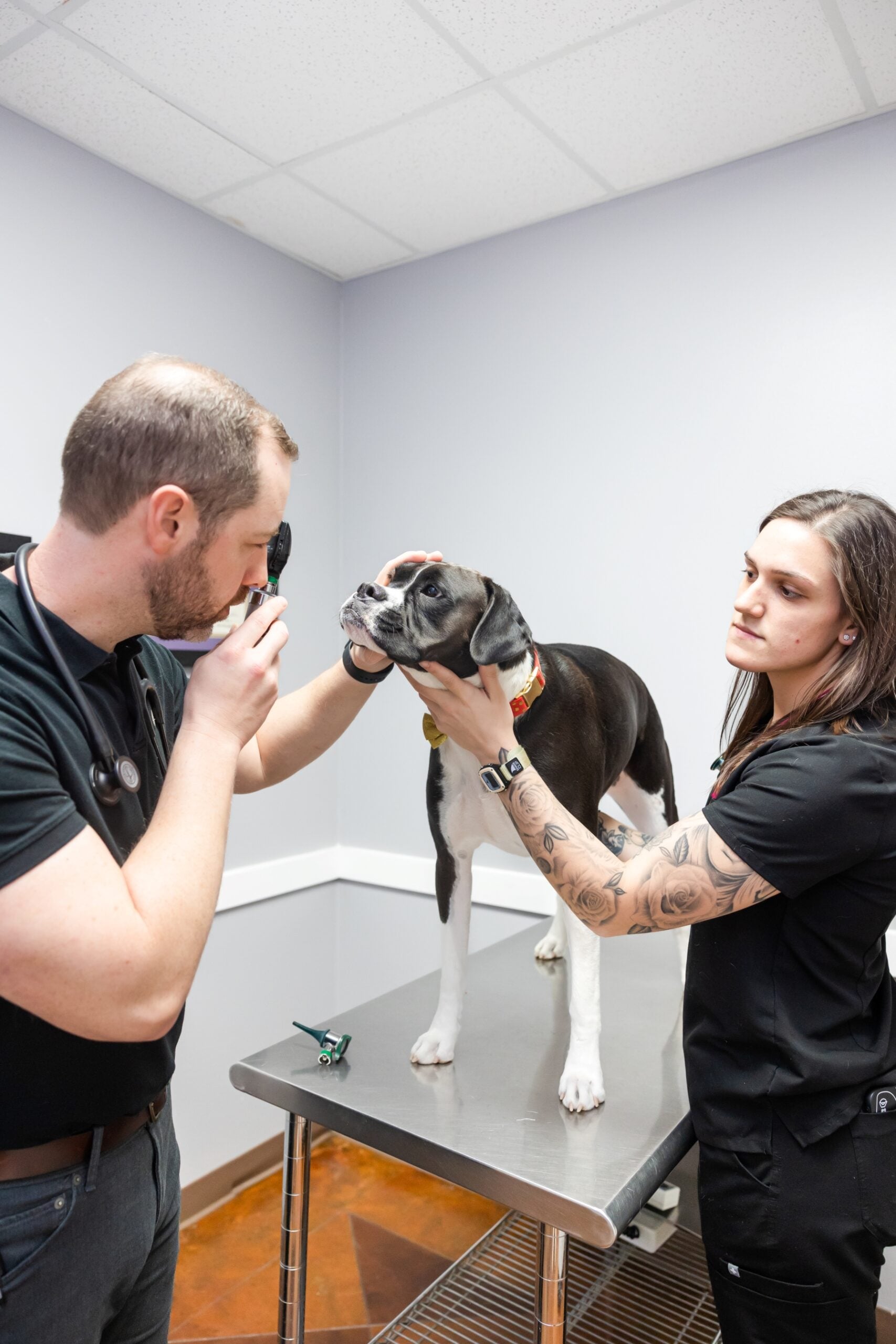
Two lists will help summarize practical takeaways without turning the topic into a long-drawn-out checklist. These lists are meant to be reference points you can carry into your first visit after reading this article.
First list: Core vaccines and why they matter
- Canine core vaccines cover parvovirus, distemper, adenoviruses, and rabies. These diseases are highly contagious and can have severe consequences for young puppies or for older dogs with underlying health issues.
- Feline core vaccines cover panleukopenia, herpesvirus, calicivirus, and rabies. These infections can lead to serious illness, prolonged recovery, or death in some cases.
- Rabies vaccination is typically required by law in many areas, and our clinic emphasizes timely administration within state regulations to ensure compliance and protection.
- Core vaccines are selected for their ability to provide long-term protection against the most dangerous diseases in each species.
- The immunization window for core vaccines is designed to establish solid immunity during the period when pets are most vulnerable, while allowing room for follow-up boosters as they mature.
Second list: Typical vaccination schedule milestones
- The primary series for puppies and kittens is completed in the first months of life, with boosters given a few weeks apart to build strong immune memory.
- A booster is usually recommended after several months or a year for most core vaccines, depending on the product and local guidelines.
- Rabies vaccination is scheduled to align with legal requirements and the animal’s age, often starting around three to four months for pets that can safely receive it.
- Non-core vaccines are added based on lifestyle and risk, such as outdoor access, travel, or contact with other animals in high-risk environments.
- Annual wellness visits pair vaccines with a broader health assessment that includes dental checks, weight audits, and a review of preventive needs for the coming year.
Now, let us pivot to the practical rhythm of life with pets and how Prairieville Animal Hospital structures vaccination for real families. When you bring a new puppy home, the first weeks feel enormous, full of new smells, new routines, and new responsibilities. The first vaccination visit often happens around eight to nine weeks, with a second dose following a few weeks later. This window is critical; it helps ensure the puppy’s immune system is primed as the socialization window opens wide. At that stage, we assess the dog’s environment—whether the puppy will have access to dog parks, doggy day care, or frequent boarding, and we factor that into the vaccination plan. A few days after vaccination, we usually ask families to monitor for mild signs such as reduced appetite or slight fatigue. If there are any concerns, you can contact us promptly. Most responses are mild and transient, and they do not negate the protective benefit of the vaccines.
For kittens, similar principles apply but with species-specific considerations. The timing for kittens can vary somewhat, depending on the brand of vaccines used and the veterinarian’s assessment. A typical kitten vaccination plan includes vaccines delivered in stages during the first months of life, followed by booster doses. Our team treats these visits as opportunities to begin shaping a long-term wellness trajectory. We discuss litter box habits, appetite patterns, and the kitten’s engagement level, because these factors influence how we interpret post-vaccination reactions and overall health.
In the era get more info of modern veterinary practice, a well-executed vaccination plan runs in concert with other preventive services. A well-timed dental exam, for instance, becomes especially relevant because dental health affects the immune system and overall well-being. We often see relationships between dental disease and systemic health that become clearer when vaccines are timed with routine wellness checks. At Prairieville Animal Hospital, we consider vaccinations in the broader context of a comprehensive preventive program. The goal is to maintain a stable baseline of health from puppy or kittenhood through senior years, not simply to administer shots in isolation.
We also understand that homes differ in how they travel and live with pets. Some families board their dogs at facilities that require up-to-date vaccines; others travel cross-country with a cat in a carrier. The reality is that there is a spectrum of risk, and our vaccination plans reflect that spectrum. If a household plans to board a dog for a couple of weeks or to take a cat to a shelter for adoption, we can tailor the schedule to ensure protection is current during those high-stress periods. In practice, this means scheduling boosters before those events and providing written documentation you can show at the facility.
One often underappreciated aspect of vaccines is their interaction with a pet’s overall health status. A dog with a chronic skin condition, a cat with mild kidney disease, or a pet on certain medications may require a modified vaccination plan. Our veterinarians take those nuances seriously. We review the pet’s medical history, current medications, and any prior vaccine reactions to minimize risk while preserving immunity. This careful approach helps prevent unnecessary anxiety for owners and unnecessary risk for the animal.
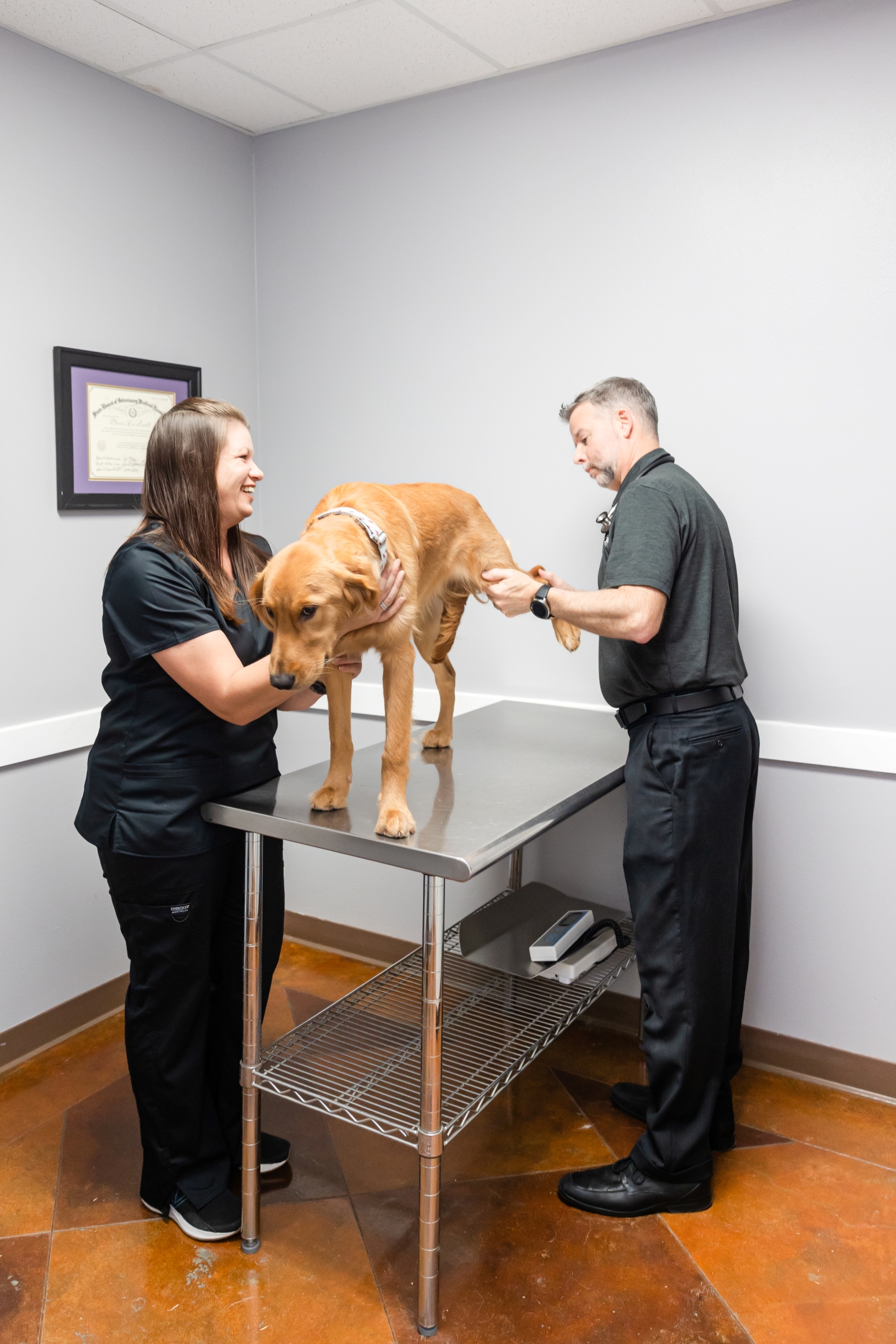
If you have ever wondered how to manage vaccines during a busy life, the answer lies in clear communication and proactive planning. We encourage families to keep a simple contact plan: a reminder system that flags upcoming vaccines, a point person in your household who tracks the pet’s records, and a quick note on any changes in the pet’s health since the last visit. In practice, a typical year might include a wellness exam every six to twelve months, with vaccines administered on two or three of those visits, depending on the pet’s age and exposure risk. For many families, this cadence creates a reliable rhythm that fits even the most demanding schedules.
Beyond vaccines, the broader pet wellness philosophy we apply at Prairieville Animal Hospital is to connect the dots between protection, comfort, and daily life. A well-executed vaccination plan does more than prevent disease; it reduces the risk of severe illness if exposure occurs and minimizes the potential for outbreaks within the family. The social and emotional dimensions of vaccination are real as well. When families understand the rationale behind the timing and type of vaccines, they become active partners in their pet’s health. That partnership is what makes care at Prairieville Animal Hospital distinctive.
We should also address some common concerns that come up in conversations with pet owners. One frequent theme is the risk of adverse reactions. A small percentage of pets experience temporary discomfort, swelling at the injection site, or mild fever after a vaccine. In very rare cases, pets may exhibit more serious reactions such as vomiting or facial swelling. These events are monitored closely in our clinic, and we have established protocols to respond quickly if they occur. It is important to report anything unusual you notice after a vaccination. In many cases, a rapid response prevents a more significant problem and allows us to resume the preventive plan with appropriate adjustments.
Another area worth discussing is the balance between protection and practicality. Some families worry about the burden of frequent visits, especially when vaccines are scheduled months apart. The approach we take is to combine several preventive needs into a single visit whenever possible. A wellness exam can be paired with vaccines, dental assessment, heartworm testing when indicated, and dietary counseling. This consolidated approach reduces stress for the animal and minimizes the disruption to daily life for the family. It also ensures you leave the clinic with a clear understanding of the pet’s health status and a straightforward plan for the next months.
We also want to acknowledge edge cases where vaccines must be reconsidered. A pet that is acutely ill, recovering from surgery, or experiencing a significant injury at the time of a scheduled vaccination may require delaying vaccination. In such cases our team will help you determine the right timing to resume vaccines once the pet has recovered. Conversely, a pet with a known immunodeficiency or on certain immunosuppressive medications may require an adjusted schedule. The goal remains consistent: protect the animal while respecting its individual health journey.
Spaying and neutering often enters the vaccination conversation because these procedures are frequently scheduled during a window when a young animal is already in the clinic for vaccines. We view spay and neuter as complementary preventive services that, when combined with vaccination, contribute to long-term health and behavior outcomes. Our team can coordinate the timing so that surgery and immunization align with your household’s plans and the pet’s health status. The practical benefit is fewer veterinary visits in the long run, less stress for the animal, and a smoother transition to independent living as an adult.
Pet dentistry is another critical piece of the preventive puzzle. A healthy mouth supports overall health and can influence how effectively the immune system responds to vaccines. For many pets, we include a brief dental screening during wellness visits, and we discuss options for at-home dental care, professional cleanings, and nutritional strategies that support oral health. The connection between dental health and vaccination outcomes is not always obvious, but in real clinical practice, we see how systemic inflammation from dental disease can complicate recovery if an infection does occur. Keeping teeth clean and healthy is a straightforward way to help vaccines do their job more effectively.
In this context, the Prairieville Animal Hospital approach to pet health emphasizes consistent, meaningful engagement with families. We aim to make vaccination a predictable and valuable part of life with a pet. We want your questions answered, your concerns acknowledged, and your pet protected with a plan that makes sense for your home. The final piece of the puzzle is to keep the lines of communication open. If you have changes in your travel schedule, if your work hours shift, or if your family expands with another pet, let us know. We can adapt the vaccination plan while staying aligned with best-practice guidelines.
To close, the choice to vaccinate is a choice to invest in the future health of your pet. The right schedule is not a single moment of decision but a sequence of informed steps that build a resilient immune foundation. The team at Prairieville Animal Hospital brings practical experience to every conversation. We combine evidence-based medicine with a humane understanding of daily life—because prevention, when it is thoughtful and personalized, makes a real difference for pets and their people.
If you are planning your next visit to the clinic, you may find it helpful to bring a few items with you. A current copy of your pet’s medical record, any notes about prior vaccine reactions, and a list of questions you want to discuss can all streamline your appointment. We are happy to review your pet’s lifestyle, the home environment, and any upcoming plans that might affect vaccine timing. The more information we have, the better we can tailor the plan to your pet’s needs.
As you consider vaccination for your pet, think about the year ahead as a period of steady protection rather than a burst of activity around a single appointment. The goal is to create a predictable pattern that matches your pet’s life and keeps disease at bay. At Prairieville Animal Hospital, we take that goal seriously and approach each patient with the care and attention you would expect from a trusted veterinary clinic prairievilleanimalhospital.com.
If you would like to discuss vaccines in more detail or to schedule a wellness visit, reach out to Prairieville Animal Hospital. Our staff is ready to help you navigate the schedules, explain the rationale behind each recommendation, and ensure that your pet’s immunizations are up to date. You deserve a healthcare plan for your animal companion that is as reliable as it is compassionate, and we are here to deliver exactly that.